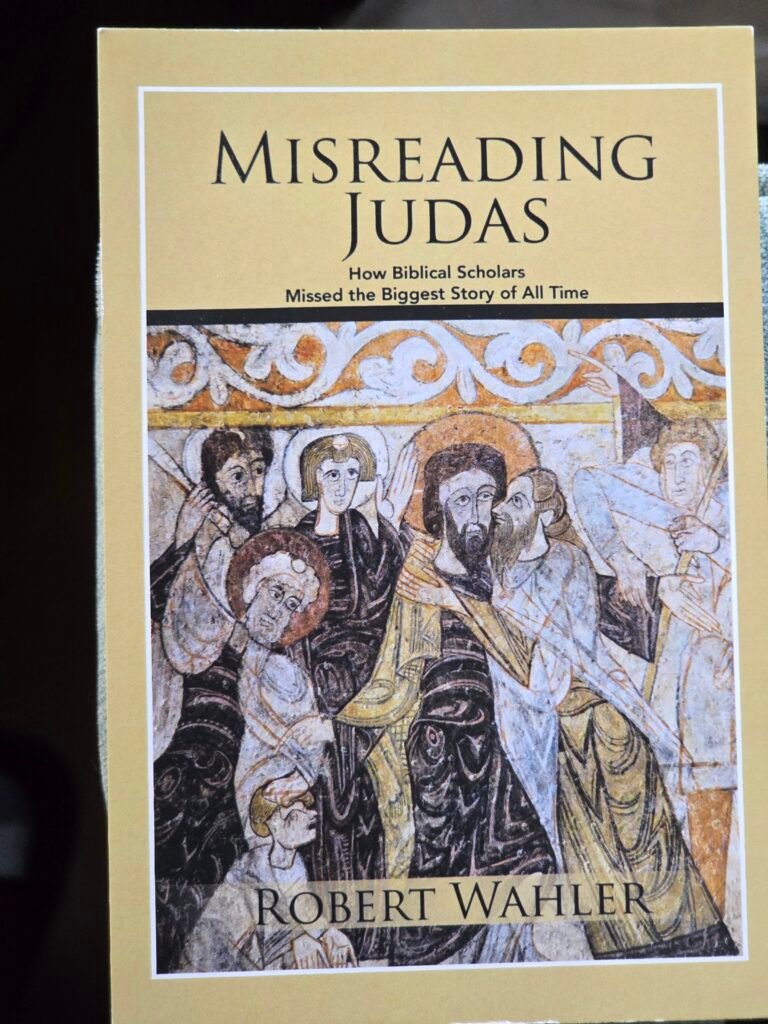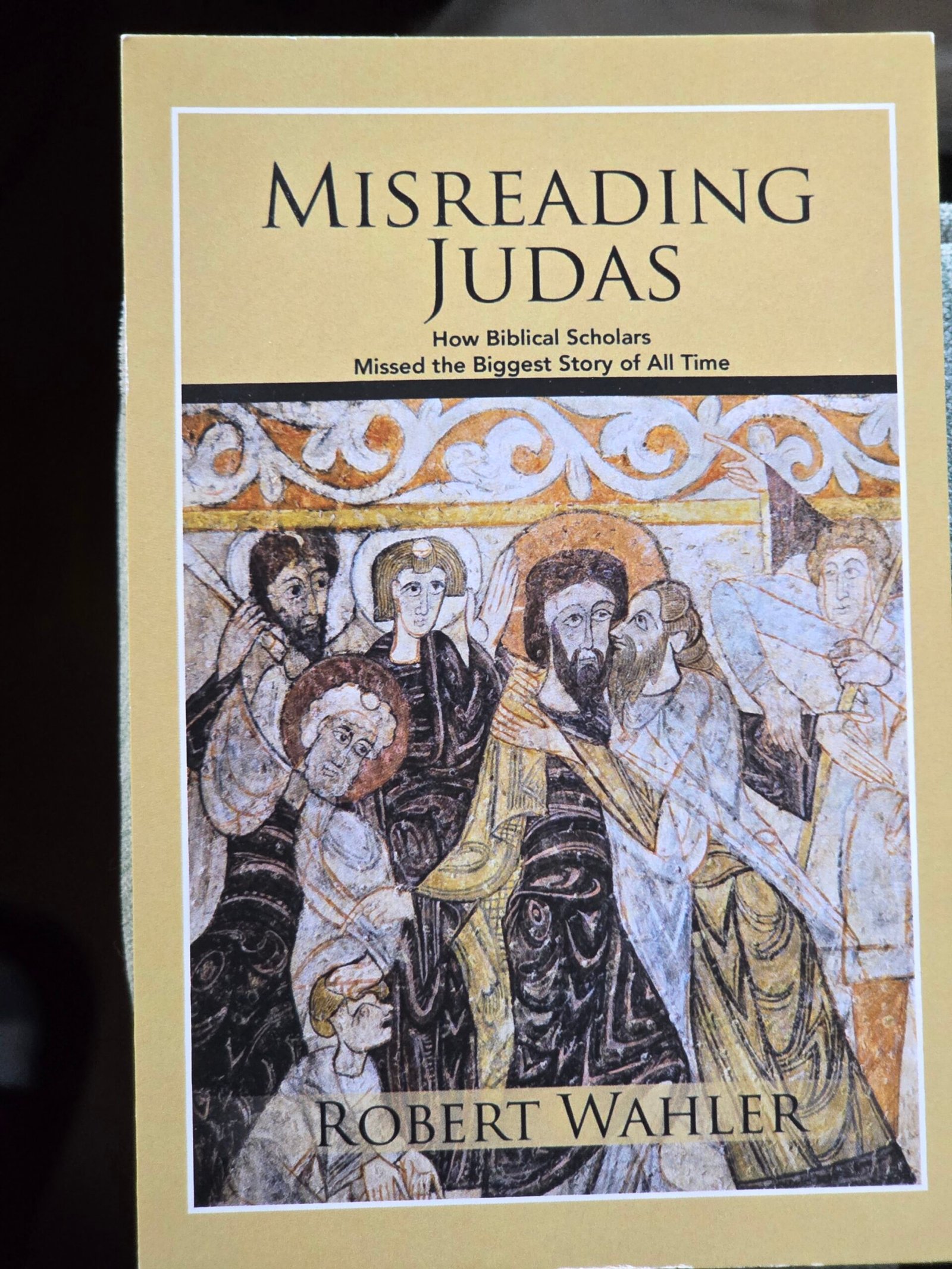
Misreading Judas: Uncovering the Untold Story of James the Just”
In the world of biblical scholarship, the figure of Judas Iscariot has long been associated with betrayal and treachery, forever etched in history as the man who handed Jesus over to be crucified. However, a groundbreaking new book, “Misreading Judas,” challenges this traditional narrative and presents a compelling argument that Judas may have been not a traitor, but a misunderstood figure meant to obscure the true successor to Jesus Christ – James the Just.
The book delves into never-before-seen discoveries in Egypt that shed light on a different version of events surrounding the crucifixion of Jesus. According to these findings, the story of Jesus Christ as depicted in the Gospels may have been deliberately manipulated to conceal the true heir to Jesus’s teachings – James the Just. The Nag Hammadi Apocalypses of James and Peter are cited as key texts that support this narrative, revealing a hidden story of mastership succession and leadership transfer from Jesus to James.
The central thesis of “Misreading Judas” challenges readers to reconsider their understanding of the events that unfolded in the days leading up to Jesus’s crucifixion. Instead of viewing Judas as a villainous figure, the book presents him as a symbolic scapegoat used to divert attention away from James, who may have been the intended successor to Jesus’s teachings.
The implications of this reinterpretation are profound and have the potential to reshape our understanding of early Christianity. By uncovering the hidden story of James the Just, “Misreading Judas” calls into question the traditional accounts of Jesus’s disciples and challenges us to reexamine the motives and actions of those involved in the events of the crucifixion.
In conclusion, “Misreading Judas” offers a fresh perspective on a familiar biblical tale, challenging readers to consider the possibility that history may have been misinterpreted or deliberately altered to serve a particular agenda. By shining a light on the obscured figure of James the Just, this book invites us to reconsider long-held beliefs and open ourselves up to new interpretations of the early Christian story.